Introduction
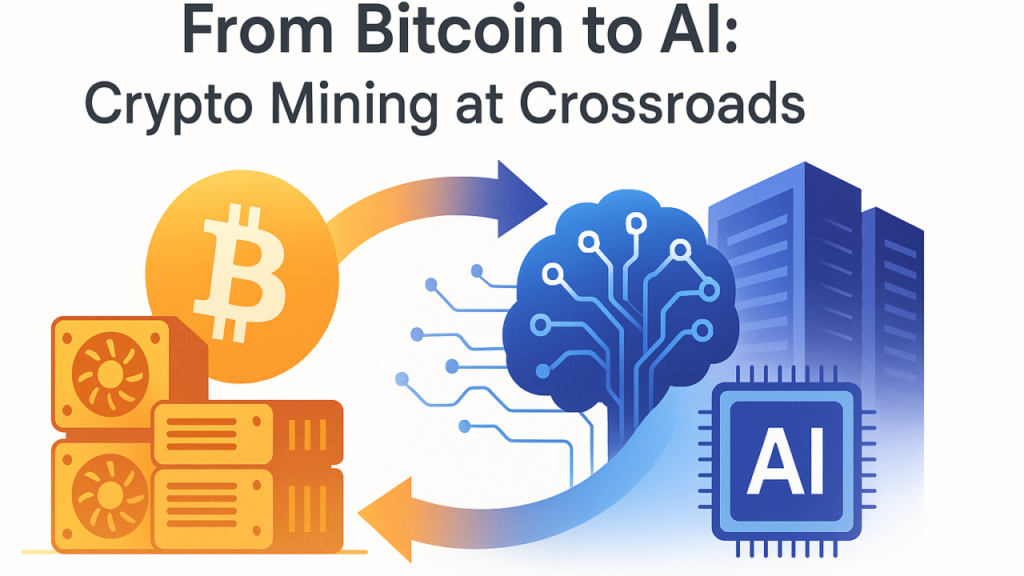
In recent years, the global technology landscape has undergone a remarkable transformation. One of the most notable trends is the shift of companies from cryptocurrency-focused operations toward artificial intelligence (AI). This transition has sparked significant market reactions, particularly among firms that were once deeply rooted in cryptocurrency mining. Among them, Keel and Hive have captured attention as their shares rise amid a strategic pivot. The evolving narrative of Bitcoin Mining to AI highlights a broader movement where companies seek sustainable growth, efficiency, and long-term innovation.
This article explores why companies are moving from traditional mining operations toward AI, how this transition is influencing stock performance, and what it means for the future of technology-driven enterprises.
Understanding the Rise of Bitcoin Mining
What Is Bitcoin Mining?
Bitcoin mining is the process through which new digital coins are created and transactions are verified on a decentralized network. It requires powerful computing systems to solve complex mathematical problems. For years, mining was considered highly profitable, especially during periods of rising digital asset prices.
Challenges Facing Bitcoin Mining
Despite its initial success, Bitcoin mining has encountered several challenges:
- High energy consumption
- Increasing hardware costs
- Growing competition
- Regulatory concerns in various countries
These factors have reduced profit margins and forced companies to rethink their strategies. As a result, the shift toward alternative technologies, particularly AI, has become more appealing.
The Emergence of Artificial Intelligence as a Strategic Alternative
Why AI Is Gaining Momentum
Artificial intelligence has become one of the most transformative technologies of the modern era. From automation to data analysis, AI offers numerous opportunities across industries.
Key reasons for its growing adoption include:
- Scalability and efficiency
- Diverse application areas
- Higher long-term profitability
- Lower dependency on volatile digital asset markets
Companies transitioning from mining operations are discovering that AI infrastructure can generate consistent revenue streams while utilizing existing hardware resources.
Keel and Hive: A Case Study in Transformation
Market Response to Strategic Shift
Keel and Hive have experienced a surge in their share prices, reflecting investor confidence in their new direction. The shift from mining operations toward AI-driven services has been viewed as a forward-thinking move.
Investors often respond positively when companies demonstrate adaptability, especially in rapidly changing industries. The Bitcoin Mining to AI transition signals a move toward stability and innovation.
Utilizing Existing Infrastructure
One of the major advantages for these companies is their existing computing infrastructure. Mining operations already require powerful data centers, which can be repurposed for AI workloads.
This includes:
- Machine learning model training
- Data processing and analytics
- Cloud-based AI services
By leveraging their current resources, companies can reduce the cost of entering the AI market.
Economic Drivers Behind the Transition
Declining Mining Profitability
Over time, the profitability of mining has declined due to:
- Increased network difficulty
- Higher operational costs
- Market fluctuations
This has pushed companies to explore more stable alternatives.
Growing Demand for AI Services
AI is being adopted across industries such as healthcare, finance, education, and manufacturing. This widespread demand creates a strong economic incentive for companies to invest in AI infrastructure.
Long-Term Revenue Potential
Unlike mining, which depends heavily on market conditions, AI services can generate consistent income through contracts, subscriptions, and enterprise solutions.
Technological Synergy Between Mining and AI
Shared Infrastructure
Mining and AI operations both rely on high-performance computing systems. This overlap allows companies to transition more easily.
Energy Optimization
While mining is often criticized for its energy usage, AI systems can be optimized for efficiency. Companies can adopt greener energy solutions to improve sustainability.
Data Utilization
AI thrives on data, and companies with experience in managing large-scale operations are well-positioned to handle complex datasets.
Investor Sentiment and Market Trends
Why Investors Are Optimistic
Investors are increasingly favoring companies that diversify their operations and embrace innovation. The transition from mining to AI represents a strategic shift that aligns with future technological trends.
Key factors influencing investor confidence include:
- Reduced reliance on volatile markets
- Entry into high-growth sectors
- Improved operational efficiency
Stock Performance Analysis
The rise in Keel and Hive shares reflects broader market optimism. Companies that adapt quickly to technological changes often outperform those that remain static.
The Role of Innovation in Business Evolution
Adapting to Market Changes
Successful companies continuously evolve to meet changing demands. The shift toward AI demonstrates the importance of adaptability in maintaining competitiveness.
Investing in Research and Development
To succeed in AI, companies must invest in research and development. This includes:
- Developing advanced algorithms
- Building scalable platforms
- Enhancing data processing capabilities
Collaboration and Partnerships
Many firms are forming partnerships with technology providers to accelerate their AI initiatives. Collaboration plays a key role in achieving rapid growth.
Challenges in Transitioning to AI
Technical Complexity
AI development requires specialized knowledge and expertise. Companies must invest in skilled professionals to manage this transition.
Initial Investment Costs
Although AI offers long-term benefits, the initial setup can be expensive. This includes hardware upgrades and software development.
Market Competition
The AI sector is highly competitive, with established players dominating the market. New entrants must differentiate themselves to succeed.
Environmental Considerations
Reducing Carbon Footprint
The transition from mining to AI can help reduce environmental impact. Companies can adopt renewable energy sources to power their operations.
Sustainable Business Practices
Sustainability is becoming a key factor in business decisions. Companies that prioritize eco-friendly practices are more likely to gain public trust and investor support.
Future Outlook for the Industry
Continued Growth of AI
AI is expected to play a central role in future technological advancements. Its applications will continue to expand across various sectors.
Decline of Traditional Mining
While mining will not disappear entirely, its dominance is likely to diminish as companies explore more efficient alternatives.
Emergence of Hybrid Models
Some companies may adopt hybrid models, combining mining with AI operations to diversify their revenue streams.
Impact on the Global Technology Ecosystem
Transformation of Data Centers
Data centers are evolving to support AI workloads. This transformation is reshaping the infrastructure of the digital economy.
Innovation Across Industries
The adoption of AI is driving innovation in multiple sectors, leading to improved productivity and efficiency.
Economic Implications
The shift toward AI is contributing to economic growth by creating new opportunities and jobs.
Strategic Lessons for Businesses
Importance of Flexibility
Companies must remain flexible and open to change in order to survive in dynamic markets.
Focus on Long-Term Goals
Short-term gains should not overshadow long-term sustainability. The Bitcoin Mining to AI transition highlights the value of strategic planning.
Embracing Technological Advancements
Businesses that embrace new technologies are better positioned to succeed in the future.
Conclusion
The surge in Keel and Hive shares reflects a broader trend in the technology sector. As companies transition from cryptocurrency mining to artificial intelligence, they are redefining their business models and positioning themselves for long-term success. The Bitcoin Mining to AI shift is not just a strategic move but a reflection of changing market dynamics and technological evolution.
By leveraging existing infrastructure, embracing innovation, and focusing on sustainability, companies can navigate this transition effectively. As AI continues to shape the future, the transformation from mining operations to intelligent systems represents a significant milestone in the journey of modern enterprises.