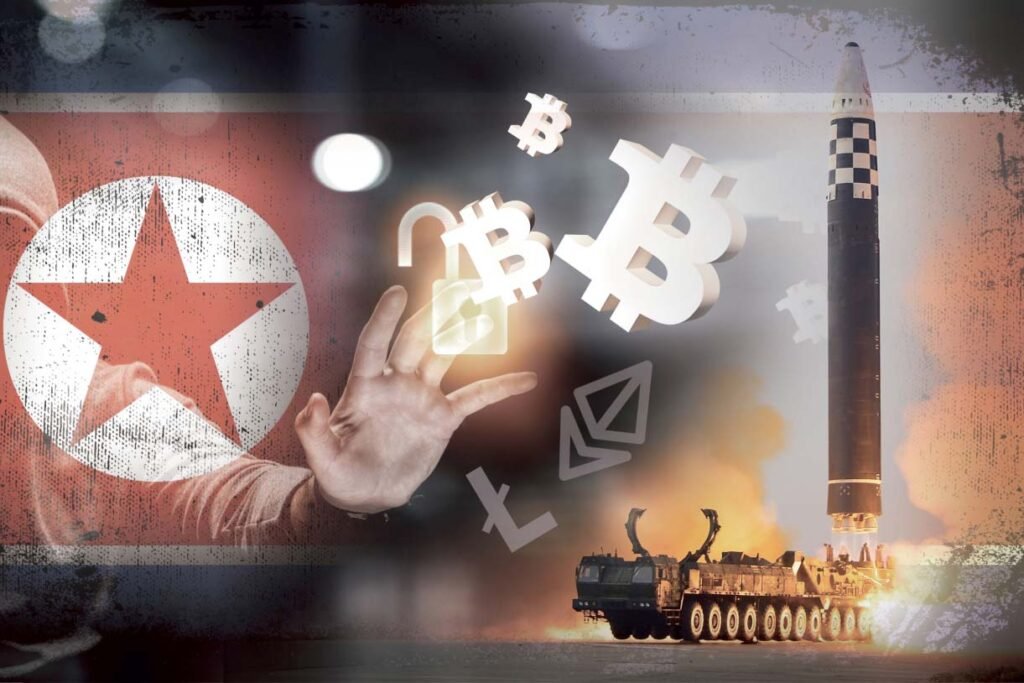
Introduction
In recent years, the intersection of cybersecurity, international politics, and digital finance has created a complex global narrative. One of the most controversial discussions emerging from this landscape involves accusations made by North Korea regarding media reporting on alleged cryptocurrency thefts. The country has repeatedly pushed back against global coverage, claiming that certain outlets distort facts and exaggerate cyber-related incidents.
A striking phrase often appearing in these responses is Reptile Media, used to describe what North Korean authorities perceive as hostile or manipulative journalism. While the term is not widely recognized in mainstream media analysis, it has become symbolic in discussions about information warfare and narrative control.
This article explores the origins of these claims, the role of media in reporting cyber incidents, and how accusations tied to cryptocurrency thefts have influenced global perceptions.
Background of North Korea’s Media Accusations
North Korea has long maintained a defensive stance toward international reporting. Over the years, its state communication channels have criticized foreign outlets for what it considers biased or politically motivated coverage.
The emergence of cryptocurrency-related cybercrime reporting has intensified this tension. Several international cybersecurity firms and investigative journalists have linked North Korean-affiliated groups to digital asset thefts across global exchanges. These reports often circulate widely, influencing public perception.
In response, North Korean statements have occasionally referenced Reptile Media, suggesting that certain journalists or platforms distort cybersecurity incidents to create negative portrayals of the nation.
The phrase itself appears to function as a rhetorical label rather than a formal classification, yet it has gained attention due to its repeated usage in official commentary.
Crypto Theft Reports and Global Attention
Cryptocurrency theft has become a major global concern, with billions of dollars reportedly stolen through hacking incidents, phishing schemes, and exchange breaches. Cybersecurity researchers have attributed a portion of these activities to highly organized groups believed to be linked to state actors.
North Korea has been frequently mentioned in such reports, particularly in connection with advanced cyber units that allegedly target financial institutions and blockchain platforms. These claims are based on forensic analysis, blockchain tracking, and behavioral patterns observed in cyberattacks.
However, North Korea rejects these accusations outright, arguing that they are exaggerated or fabricated. It is within this context that the term Reptile Media emerges as a critique of how these narratives are constructed and disseminated.
The Role of Media in Cybersecurity Narratives
Media organizations play a critical role in translating complex cybersecurity investigations into accessible public reporting. However, this process often involves simplification, interpretation, and reliance on third-party research.
Critics argue that this can sometimes lead to:
- Overgeneralization of technical findings
- Sensationalized headlines about cybercrime
- Limited context about attribution certainty
- Heavy reliance on external cybersecurity firms
From North Korea’s perspective, such reporting contributes to what it describes as narrative distortion. The term Reptile Media is used to emphasize its claim that certain outlets behave in a predatory or misleading manner when covering sensitive geopolitical issues.
While mainstream analysts do not recognize this term formally, its usage reflects deeper tensions between state-controlled narratives and independent journalism.
North Korea’s Position on Cyber Allegations
North Korean authorities consistently deny involvement in cryptocurrency theft or large-scale cyber operations targeting financial systems. Instead, they argue that:
- Reports are politically motivated
- Cyber attribution is often uncertain
- Evidence presented is circumstantial
- Media amplifies unverified claims
In official discourse, the phrase Reptile Media is used to challenge the credibility of reporting institutions that repeat or amplify such allegations.
This framing allows North Korea to position itself as a victim of information warfare rather than a perpetrator of cybercrime.
Understanding the Term “Reptile Media”
The term Reptile Media does not originate from established journalistic theory or academic classification. Instead, it appears to be a metaphorical expression used in specific political messaging contexts.
In analysis of communication patterns, the phrase may imply:
- Perceived deception or manipulation
- Hostility toward state narratives
- Sensationalism in reporting
- External influence on public perception
By repeatedly using Reptile Media, North Korean messaging seeks to undermine trust in external reporting sources and reinforce skepticism among its domestic and allied audiences.
Cybersecurity Investigations and Attribution Challenges
Attributing cyberattacks to specific nations or groups is a highly complex process. Cybersecurity experts rely on:
- Malware code analysis
- IP routing patterns
- Infrastructure similarities
- Behavioral signatures
- Historical attack data
Despite these methods, attribution is rarely absolute. This uncertainty creates space for political disagreement.
In cases involving alleged cryptocurrency thefts, investigative reports often suggest possible links rather than definitive proof. North Korea uses this ambiguity to challenge narratives, reinforcing its rejection of claims made by what it calls Reptile Media.
Geopolitical Implications of Crypto Theft Allegations
The allegations surrounding cryptocurrency theft are not merely technical—they carry significant geopolitical weight. Digital assets are decentralized, borderless, and increasingly integrated into global financial systems.
As a result:
- Nations are more sensitive to cyber accusations
- Cybersecurity becomes a tool of diplomacy
- Financial systems are tied to national security concerns
- Information control becomes strategically important
Within this environment, the narrative battle between international media and North Korean messaging intensifies. The repeated invocation of Reptile Media reflects an attempt to counteract reputational damage in global discourse.
Media Framing and Public Perception
Media framing plays a powerful role in shaping how audiences interpret cybersecurity events. When reports consistently associate a country with cybercrime, public perception may shift regardless of legal proof.
Key framing effects include:
- Association of identity with repeated allegations
- Reinforcement of stereotypes
- Simplification of technical complexity
- Emotional impact of financial loss narratives
North Korea argues that such framing is deliberate and contributes to a distorted global image. The phrase Reptile Media is used to encapsulate this critique of perceived narrative bias.
Digital Finance and Security Concerns
Cryptocurrency systems are attractive targets for cybercriminal activity due to their:
- High liquidity
- Decentralized structure
- Cross-border accessibility
- Limited recovery mechanisms
Global regulators and cybersecurity firms continue to develop tools to track illicit transactions. Blockchain analytics companies have become central to tracing stolen assets.
However, the interpretation of findings remains contested, especially when linked to state attribution claims. These disputes often become amplified in media reporting, further fueling accusations involving Reptile Media narratives.
Information Warfare in the Digital Era
Modern geopolitical conflicts increasingly include an information dimension. States and institutions compete not only through physical or economic means but also through narrative control.
Information warfare includes:
- Strategic communication campaigns
- Disinformation and counter-disinformation
- Media framing battles
- Digital influence operations
Within this context, North Korea’s use of Reptile Media reflects an attempt to delegitimize external narratives and assert control over its international image.
Reactions from Analysts and Observers
Independent analysts often view such terminology as part of broader propaganda strategies. While they acknowledge the importance of media criticism, they emphasize the need for evidence-based reporting.
Common perspectives include:
- Cyber attribution requires careful verification
- Media should avoid overstatement in uncertain cases
- State responses often reflect political positioning
- Terminology like Reptile Media is symbolic rather than analytical
These perspectives highlight the gap between official narratives and independent cybersecurity research.
The Role of Trust in Global Cyber Reporting
Trust is a central issue in cybersecurity communication. Governments, media organizations, and private firms all play roles in shaping how incidents are understood.
Trust is influenced by:
- Transparency of methodology
- Consistency of reporting
- Access to evidence
- Independence of analysis
When trust is weak, competing narratives emerge more strongly. The repeated use of Reptile Media reflects this breakdown of shared informational trust.
Broader Impact on International Relations
Disputes over cyber allegations and media representation can influence diplomatic relationships. Even without formal conflict, narrative tensions may affect:
- Trade discussions
- Diplomatic engagement
- Cybersecurity cooperation
- International sanctions debates
As digital infrastructure becomes more interconnected, such disputes gain greater importance in global affairs.
Conclusion
The debate surrounding North Korea’s accusations against so-called Reptile Media highlights the growing complexity of information in the digital age. Cybersecurity reports, media interpretation, and geopolitical messaging intersect in ways that make truth increasingly contested.
While global investigations continue to analyze cryptocurrency theft incidents, North Korea’s rejection of these claims demonstrates how narrative control has become a strategic priority. The term Reptile Media serves as a symbolic expression of this broader conflict between perception and reporting.