Introduction
Saudi Arabia is moving through one of the most ambitious economic transformations in modern history. The Kingdom is reshaping its financial structure, strengthening non-oil industries, and embracing digital innovation to secure long-term economic stability. Among the most important developments is the rise of tokenization, blockchain systems, and digital asset infrastructure. These technologies are becoming central to the future of the Kingdom’s economy and financial security.
The Saudi government understands that global economic shocks, inflation pressures, supply chain disruptions, and changing energy markets can impact traditional economies. To reduce these risks, Saudi Arabia is building a diversified economic model powered by technology, infrastructure, smart investments, renewable energy, and digital finance.
The transformation of the Kingdom’s Multi-Trillion Dollar Economy is connected closely with Vision 2030. This national strategy aims to modernize industries, attract foreign investment, improve transparency, and create sustainable growth opportunities. Blockchain technology and tokenization are becoming powerful tools that support these goals.
Tokenization allows physical and financial assets to be represented digitally on blockchain networks. Real estate, infrastructure projects, investment funds, commodities, and even government-backed projects can be managed more efficiently through tokenized systems. Saudi Arabia sees this technology as a way to improve liquidity, attract global investors, and protect national wealth during uncertain economic conditions.
In recent years, the Kingdom has accelerated investments in fintech, artificial intelligence, smart cities, renewable energy, and advanced financial technologies. Projects like NEOM, the Red Sea development, and smart logistics corridors are all part of a broader strategy to create a modern digital economy capable of competing globally.
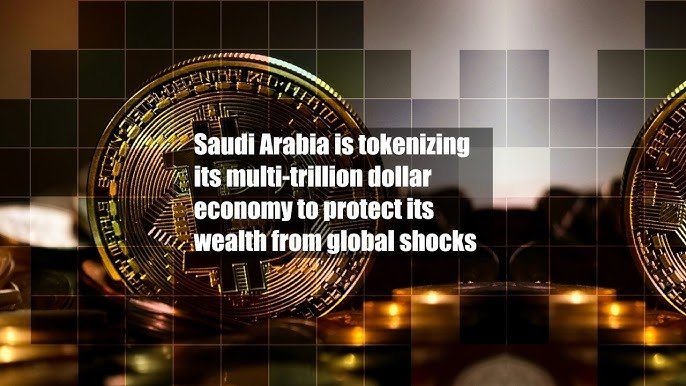
This article explores how Saudi Arabia is using tokenization and blockchain innovation to strengthen its economic future, protect wealth from global shocks, and transform its financial ecosystem into a more resilient and diversified structure.
Understanding Tokenization in the Modern Economy
Tokenization refers to converting ownership rights of physical or digital assets into digital tokens stored on blockchain networks. These tokens can represent real estate, commodities, shares, infrastructure investments, or various forms of economic value.
The concept is transforming global finance because it improves accessibility, transparency, and operational efficiency.
How Tokenization Works
In a tokenized system:
- Assets are divided into digital units
- Ownership records are secured through blockchain
- Transactions become transparent and traceable
- Investors can buy smaller portions of large assets
- Cross-border investment becomes faster
This technology reduces traditional paperwork, improves settlement speed, and lowers transaction complexity.
For Saudi Arabia, tokenization is not simply a financial trend. It represents an opportunity to modernize the country’s investment systems and support economic diversification.
Why Tokenization Matters for Saudi Arabia
Saudi Arabia controls enormous economic resources, including:
- Energy infrastructure
- Real estate developments
- Transportation networks
- Tourism megaprojects
- Industrial zones
- Sovereign investment funds
Managing such a vast economic landscape requires efficient systems capable of adapting to rapid global changes. Tokenization helps create more flexible financial structures that can withstand economic instability.
The Kingdom’s growing interest in blockchain reflects a broader understanding that digital transformation is necessary for future competitiveness.
Vision 2030 and Economic Transformation
Saudi Arabia’s Vision 2030 serves as the foundation for the country’s modernization strategy. The initiative seeks to reduce dependence on oil revenue while expanding technology, tourism, manufacturing, renewable energy, and digital industries.
The transformation of the Multi-Trillion Dollar Economy depends heavily on innovation-driven sectors.
Main Objectives of Vision 2030
Key goals include:
- Expanding non-oil revenue
- Supporting private sector growth
- Increasing foreign investment
- Building smart infrastructure
- Enhancing digital governance
- Encouraging entrepreneurship
- Strengthening financial markets
Blockchain technology and tokenization align perfectly with these objectives.
Economic Diversification Through Technology
Saudi Arabia recognizes that relying entirely on oil exports creates vulnerability during global energy market fluctuations. By investing in advanced technologies, the Kingdom is creating multiple sources of economic strength.
Fintech ecosystems are expanding rapidly in the country. Digital payment systems, online banking, financial applications, and blockchain startups are receiving increased government support.
Technology-driven diversification helps protect national wealth against international instability.
Blockchain Infrastructure in Saudi Arabia
Blockchain adoption in Saudi Arabia has accelerated significantly over the last decade. Government institutions, financial organizations, and technology firms are exploring practical applications across multiple sectors.
Government Support for Digital Innovation
Saudi authorities have actively encouraged digital transformation through regulatory reforms and investment programs.
Key areas of blockchain integration include:
- Financial services
- Supply chain management
- Healthcare systems
- Smart contracts
- Digital identity systems
- Cross-border payments
- Property registration
The government views blockchain as a strategic technology capable of increasing operational transparency and reducing inefficiencies.
Saudi Central Bank and Digital Finance
The Saudi Central Bank has explored several blockchain-related initiatives to modernize the banking sector.
These initiatives focus on:
- Faster payment systems
- Secure digital transactions
- International payment efficiency
- Financial transparency
- Fraud reduction
Digital financial systems can help stabilize economic operations during global market disruptions.
Tokenization of Real Estate Assets
Real estate represents one of Saudi Arabia’s largest and most valuable economic sectors. Tokenization creates new opportunities for investment participation and liquidity.
Fractional Ownership Opportunities
Traditionally, large-scale real estate investments required massive capital. Tokenization allows assets to be divided into smaller units, enabling broader investor participation.
Benefits include:
- Lower investment barriers
- Increased market liquidity
- Faster transactions
- Transparent ownership records
- Reduced administrative complexity
This system can attract international investors seeking exposure to Saudi infrastructure and development projects.
Smart Cities and Tokenized Development
Projects such as NEOM showcase Saudi Arabia’s commitment to futuristic urban development.
NEOM represents one of the world’s most ambitious smart city projects. The development integrates technology, renewable energy, artificial intelligence, and advanced infrastructure systems.
Tokenized financing models could support future infrastructure expansion while improving investment efficiency.
Protecting Wealth From Global Economic Shocks
Global markets face constant uncertainty from inflation, geopolitical conflicts, trade disruptions, and currency fluctuations. Saudi Arabia is strengthening economic resilience through diversification and digital transformation.
Reducing Exposure to Oil Market Volatility
Oil remains a major economic pillar, but Saudi Arabia understands the importance of reducing overdependence on energy exports.
Tokenized economic systems help diversify revenue streams across sectors such as:
- Tourism
- Technology
- Logistics
- Manufacturing
- Renewable energy
- Digital services
A diversified economy is better positioned to absorb global financial shocks.
Increasing Financial Transparency
Blockchain systems improve transparency because transactions are permanently recorded on distributed ledgers.
Advantages include:
- Reduced corruption risks
- Improved investor confidence
- Better auditing processes
- Faster compliance verification
- More secure data management
Transparent systems strengthen international trust in Saudi financial markets.
Saudi Arabia’s Growing Fintech Ecosystem
Fintech innovation is expanding rapidly across the Kingdom. Startups, investment firms, and financial institutions are developing new digital financial services.
Digital Banking Expansion
Saudi consumers increasingly use digital payment systems and online banking platforms.
The fintech sector supports:
- Mobile payments
- Digital wallets
- Online investment platforms
- Blockchain applications
- Financial automation
Government-backed innovation programs continue encouraging fintech entrepreneurship.
International Investment Attraction
Global investors are paying close attention to Saudi Arabia’s modernization efforts.
The Kingdom offers:
- Large-scale infrastructure projects
- Growing technology markets
- Strategic geographic positioning
- Expanding consumer demand
- Strong government investment capacity
These factors increase Saudi Arabia’s appeal as a long-term investment destination.
Sovereign Wealth Funds and Digital Assets
Saudi Arabia manages some of the world’s largest sovereign investment resources.
Public Investment Fund and Economic Expansion
Public Investment Fund plays a major role in funding national transformation projects.
The fund invests across sectors including:
- Technology
- Renewable energy
- Infrastructure
- Transportation
- Tourism
- Artificial intelligence
Digital asset strategies may enhance operational efficiency and investment flexibility.
Long-Term Wealth Preservation
Tokenized systems provide improved asset tracking and management capabilities. This can help protect sovereign wealth against economic disruptions and market instability.
Efficient financial infrastructure becomes increasingly important during periods of global uncertainty.
Smart Contracts and Financial Efficiency
Smart contracts are automated digital agreements executed through blockchain systems.
Benefits of Smart Contracts
Advantages include:
- Faster execution
- Reduced paperwork
- Lower operational costs
- Improved security
- Greater transparency
- Reduced human error
These systems improve efficiency across banking, logistics, real estate, and commercial transactions.
Applications Across Industries
Saudi Arabia can apply smart contracts in:
- Infrastructure projects
- Construction agreements
- Supply chains
- Trade finance
- Property transactions
- Government procurement
Automation improves productivity while reducing administrative burdens.
Digital Transformation and National Security
Economic resilience is closely linked to national security and long-term stability.
Building Independent Economic Strength
By expanding digital infrastructure and diversified industries, Saudi Arabia reduces vulnerability to external economic pressures.
Technology-driven growth creates stronger internal economic foundations.
Cybersecurity and Blockchain Protection
Blockchain networks offer enhanced security features through decentralized verification systems.
Benefits include:
- Tamper-resistant records
- Improved transaction security
- Better fraud prevention
- Stronger data protection
Cybersecurity remains a critical component of digital economic development.
Renewable Energy and Sustainable Growth
Saudi Arabia is investing heavily in renewable energy as part of its economic transformation.
Solar and Green Energy Projects
The Kingdom possesses significant solar energy potential. Renewable energy investments help diversify national income sources while supporting environmental goals.
Major benefits include:
- Reduced fossil fuel dependence
- New industrial opportunities
- International sustainability partnerships
- Technology innovation growth
Renewable infrastructure can also benefit from tokenized financing systems.
Green Hydrogen Development
Saudi Arabia is becoming a major participant in global green hydrogen development.
Hydrogen initiatives support:
- Clean energy exports
- Industrial innovation
- Sustainable economic growth
- International energy partnerships
Digital finance systems may improve investment coordination for these massive projects.
Tourism Expansion and Economic Diversification
Tourism has become a major focus of Saudi Arabia’s diversification strategy.
Large-Scale Tourism Developments
The Kingdom is investing in:
- Luxury resorts
- Cultural heritage destinations
- Entertainment districts
- Coastal tourism
- Eco-tourism projects
These developments generate employment, international investment, and economic activity.
Tokenization in Tourism Investments
Tokenized ownership structures may help finance tourism infrastructure more efficiently.
Potential applications include:
- Resort development funding
- Hospitality investments
- Real estate participation
- Infrastructure partnerships
Digital investment systems improve accessibility for international investors.
Artificial Intelligence and Future Economic Systems
Artificial intelligence is closely connected to Saudi Arabia’s modernization strategy.
AI-Powered Financial Management
AI systems can support:
- Market analysis
- Fraud detection
- Investment forecasting
- Resource optimization
- Economic planning
Combining AI with blockchain creates more efficient financial ecosystems.
Smart Governance Systems
Saudi Arabia is integrating digital technologies into governance and public administration.
This includes:
- Digital services
- Automated systems
- Data-driven planning
- Efficient public infrastructure
Smart governance strengthens long-term economic resilience.
Challenges Facing Tokenization Efforts
Despite its benefits, tokenization also presents several challenges.
Regulatory Framework Development
Governments must establish clear legal frameworks for digital asset management.
Important considerations include:
- Investor protection
- Compliance standards
- Financial security
- Cross-border regulations
Balanced regulation is necessary for sustainable adoption.
Technology Adoption Barriers
Challenges include:
- Technical complexity
- Infrastructure costs
- Cybersecurity risks
- Market education
Saudi Arabia continues investing in education and digital infrastructure to address these concerns.
The Future of Saudi Arabia’s Digital Economy
Saudi Arabia is positioning itself as a major technology and investment hub within the Middle East and beyond.
Expanding Global Influence
The Kingdom’s strategic investments in blockchain, artificial intelligence, renewable energy, and infrastructure increase its global economic influence.
Digital transformation supports long-term competitiveness.
A More Resilient Economic Model
The modernization of the Multi-Trillion Dollar Economy creates stronger protection against international instability.
Diversification allows Saudi Arabia to respond more effectively to:
- Energy market disruptions
- Inflation pressures
- Global recessions
- Trade uncertainties
Technology-driven economic systems offer greater adaptability during changing market conditions.
Conclusion
Saudi Arabia is undergoing one of the most important economic transitions of the modern era. The Kingdom’s focus on tokenization, blockchain systems, fintech innovation, renewable energy, and smart infrastructure reflects a long-term strategy designed to strengthen economic resilience and secure future prosperity.
The transformation of the Multi-Trillion Dollar Economy is not limited to digital finance alone. It represents a comprehensive national effort to diversify industries, modernize institutions, improve investment systems, and reduce exposure to global economic shocks.
Through Vision 2030, Saudi Arabia is building a more balanced and sustainable economic structure capable of adapting to rapid international change. Tokenization provides new methods for managing assets, attracting investment, increasing transparency, and improving operational efficiency across major industries.
As blockchain technology matures and digital financial systems expand globally, Saudi Arabia is positioning itself as a regional leader in innovation-driven economic development. Its investments in smart cities, renewable energy, artificial intelligence, and advanced financial technologies demonstrate a clear commitment to long-term transformation.
The future of Saudi Arabia’s economy will likely depend on its ability to continue integrating technology with strategic planning. By embracing tokenization and digital modernization, the Kingdom is creating a more resilient economic framework capable of protecting national wealth from future global shocks while opening new opportunities for growth and international cooperation.